
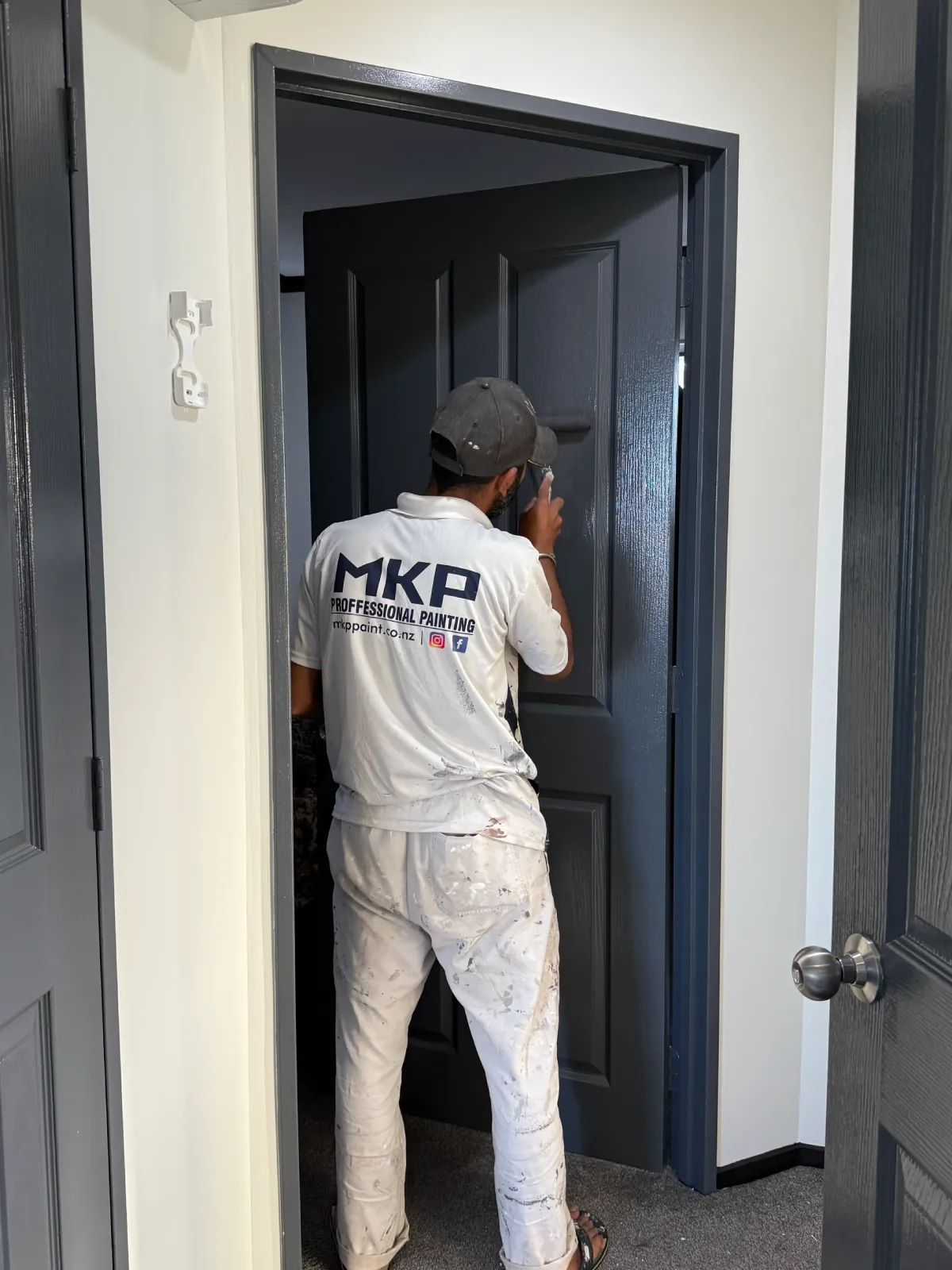
There is a quiet way your home tells you it needs attention. It is not always dramatic or urgent. Often, it shows up in small visual changes you slowly stop noticing because you see them every day. A wall that once felt fresh starts looking tired. Light behaves differently on the surface. Rooms feel a little less cared for than they used to.
For many homeowners, this is when the idea of calling a painting service in Auckland starts to make sense because the home no longer feels like the safe haven it once did. Repainting is rarely about only the colour. It is about maintenance, comfort, and keeping your space healthy in Auckland’s demanding climate.
Sign 1: Colours That Look Faded or Washed Out
One of the first signs is fading. Auckland experiences high UV exposure, and over time, sunlight breaks down paint pigments. Colours lose their depth and start looking flat or dull, especially on walls that receive strong daylight.
This often happens gradually, which is why many people only notice it when they compare the wall to a hidden section behind furniture or curtains. Fading is not only visual. It also signals that the paint’s protective layer is weakening.
Sign 2: Peeling, Cracking, or Bubbling Paint
Paint that starts lifting away from the surface is a clear warning sign. Peeling, cracking, or bubbling usually indicates moisture has found its way behind the end of its flexibility.
In Auckland, humidity and frequent rainfall make such symptoms more common. Once this process begins, it rarely stops on its own. Exposed areas allow more moisture in, accelerating damage beneath the surface.
Sign 3: Water Stains on Walls or Ceilings
Discoloured patches, yellowing marks, or darker stains often point to water issues. These stains may come from roof leaks, plumbing problems, or moisture seeping through exterior walls.
Painting over water stains without resolving the cause only hides the problem temporarily. Moisture trapped behind fresh paint can lead to mould growth and repeated failure of the new finish.
Sign 4: Chalky or Powdery Residue
If you run your hand over an exterior wall and notice a fine powder on your fingers, the paint is breaking down. This chalking effect occurs when the binder in the paint deteriorates under UV exposure.
Chalking makes surfaces look tired and neglected, but more importantly, it means the paint is no longer providing effective protection from the elements.
Sign 5: Cracked or Falling Caulk
Caulking around windows, doors, and trim plays a quiet but vital role. When it cracks, shrinks, or pulls away, it creates gaps that allow moisture to enter the structure.
Paint applied over failed caulking often cracks soon after. Repainting without addressing this issue usually leads to recurring problems and uneven finishes.
Sign 6: Mould or Mildew Appearing
Dark or discoloured patches, particularly in bathrooms, kitchens, or shaded exterior areas, can indicate mould or mildew. Auckland’s humid environment creates ideal conditions for growth if ventilation or moisture control is lacking.
Painting over mould without proper treatment seals the problem in rather than removing it. Addressing moisture and cleaning affected areas is essential before repainting.
Sign 7: Scuff Marks and Surface Damage That Keep Returning
In busy homes, scuffs and marks are normal. However, when walls no longer respond well to cleaning or touch-ups and stand out clearly, the paint has likely worn thin.
High-traffic areas like hallways and living spaces often show this first. Repainting restores a consistent finish and makes everyday wear easier to manage.
Sign 8: White Salt Marks on Exterior Surfaces
Efflorescence appears as pale, chalky deposits on brick or masonry surfaces. It occurs when moisture draws salts to the surface as it evaporates.
In coastal areas around Auckland, salt exposure combined with humidity makes this more common. These deposits should be properly treated before repainting to prevent recurring issues.
Sign 9: Colours That Feel Dated or Heavy
Sometimes the issue is not damage but feeling. Colours that once felt right can start making spaces feel smaller, darker, or less welcoming.
Repainting is one of the simplest ways to refresh how a home feels without changing its structure. When a colour consistently feels out of step with how you live now, it is often time for a change.
Sign 10: It Has Been Several Years Since the Last Paint Job
Even if everything looks acceptable, paint has a lifespan. In Auckland conditions, exterior paint often needs attention sooner due to humidity, UV exposure, and salt in the air.
Regular repainting helps prevent deeper damage and keeps surfaces sealed before problems appear.
A Thoughtful Finish Makes All the Difference
Repainting is not just about appearance. It protects your home from moisture, supports healthier indoor spaces, and helps everything feel cared for again. When done at the right time, it prevents small issues from turning into bigger ones.
If several of these feel familiar, it may be your home’s way of asking for attention. Addressing it early helps your space stay comfortable, resilient, and ready for whatever the Auckland climate brings next.
