
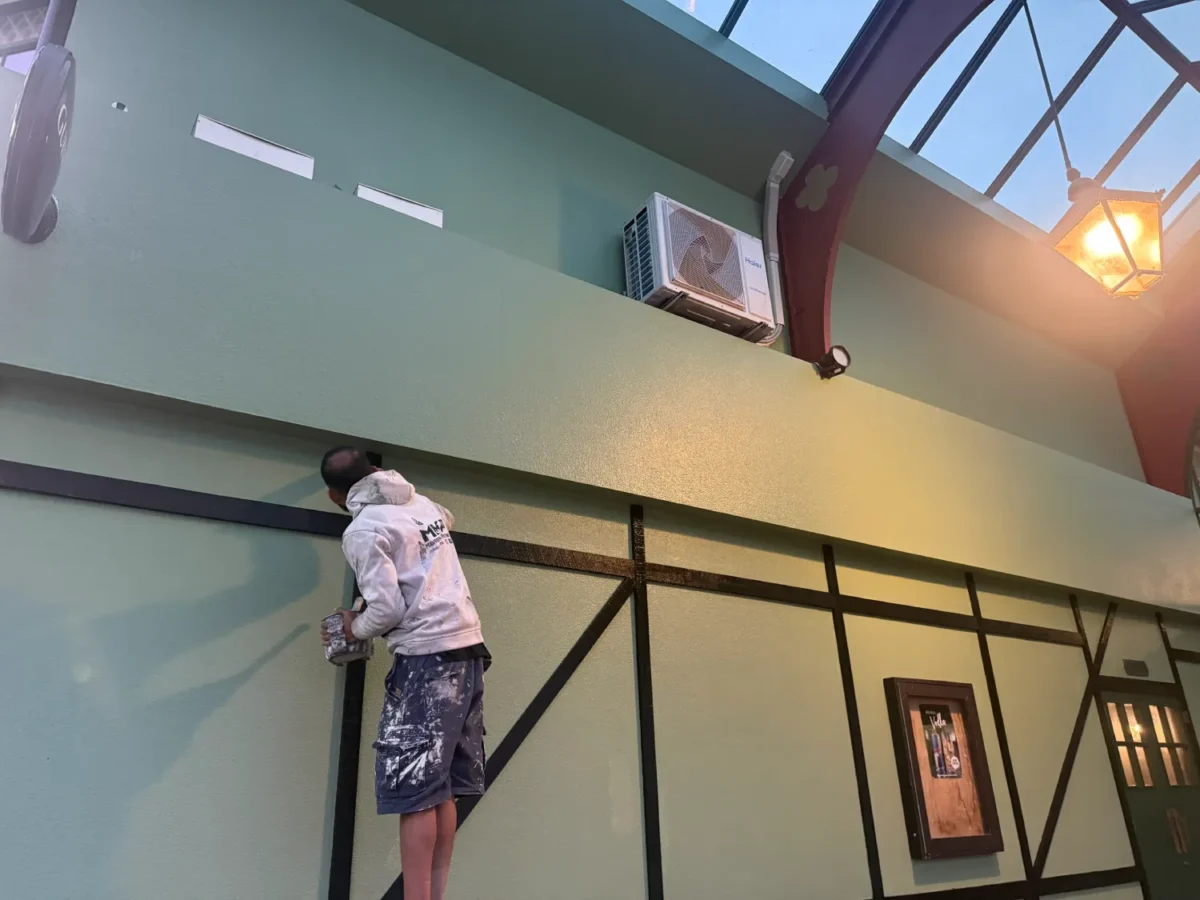
Moving into a freshly painted home should feel exciting. But when a sharp chemical smell hits you at the door, it can take the shine off the moment. The good news is that the paint smell doesn’t have to linger. With the right approach, you can clear the air and settle in comfortably.
If you’re wondering how to get rid of the paint smell before your family moves in, this guide covers quick fixes and longer-term prevention strategies.
Understanding Why Paint Smells
Paint fumes come from volatile organic compounds (VOCs), carbon-based chemicals that evaporate into the air as the drying process begins. The warmer the room, the faster they off-gas.
The paint type makes a significant difference. Oil-based paints and solvent-based paints contain higher VOC levels and produce stronger, longer-lasting fumes. Water-based paints have lower VOC content and a milder smell. Even so, any freshly painted room will emit some fumes during the initial drying phase.
How Long Does Paint Smell Last in a New Home?
For most water-based products, the noticeable smell fades within one to three days once the paint dries. Oil-based and solvent-based paints can take a week or more, particularly in rooms with limited air circulation.
If the smell persists beyond this window, poor ventilation or a high-VOC product is usually the cause. Without adequate fresh air flow, fumes concentrate and linger considerably longer.
Immediate Ways to Reduce Paint Smell
Getting air moving is the single most effective first step. Open windows and doors as soon as possible and position fans to create a cross breeze, drawing outdoor air in while pushing stale, fume-laden air out. This directly supports proper ventilation and can reduce paint smell within hours.
Kitchen and bathroom exhaust fans also help pull paint odours out of the space. Keeping the house cool slows VOC evaporation and reduces fume concentration, so avoid running heaters in a freshly painted room during the first 24 to 48 hours.
Natural Remedies to Eliminate Paint Odour
Several everyday household items work surprisingly well at absorbing and neutralising fumes.
Baking Soda and Activated Charcoal
Baking soda and activated charcoal are two of the most reliable natural options to absorb odours. Place bowls filled with either material around the room and leave overnight. Both work to absorb smells directly rather than masking them. Replace the bowls every 24 hours for best results during peak off-gassing.
White Vinegar and Lemon Juice
White vinegar placed in small bowls can help neutralise odours from paint fumes. A bowl of water with lemon juice or a few citrus slices does something similar. These won’t remove VOCs chemically, but they can make the environment more comfortable while ventilation does the heavier work.
Essential Oils and Scented Candles
A diffuser running essential oils such as eucalyptus or lemon, or natural scented candles, can counteract unpleasant odours. Use these alongside ventilation rather than as a standalone fix.
Advanced Solutions for Faster Odour Removal
A quality air purifier fitted with a HEPA and activated carbon filter actively draws in contaminated air and traps VOC molecules. Running an air purifier in the affected room can noticeably improve indoor air quality within a few hours and is worth using throughout the first few days of occupancy.
Sustained air circulation matters beyond that initial period. Keep open windows and fans running for at least two to three days after any painting project to maintain good air quality.
Preventing Paint Smell Before It Starts
The easiest way to deal with paint odours is to choose a product that produces fewer of them. Low-VOC paint and zero-VOC options are now widely available across New Zealand. Low-VOC paints release far fewer compounds during and after application, making them a sensible choice in homes with children, older residents, or anyone with respiratory sensitivities.
VOC paint standards have tightened in recent years, and most reputable NZ brands offer non-toxic house painting product lines. Ask your painter specifically about VOC ratings before you start painting.
Planning for proper ventilation from the outset also helps significantly. Windows and doors left open throughout the job can significantly reduce overall odour. Professional interior painters in South Auckland who use quality, low-emission products will consistently deliver better air quality outcomes than those who don’t.
When to Be Concerned About Paint Fumes
Brief exposure to paint fumes usually causes only mild irritation. Prolonged exposure in poorly ventilated spaces can lead to headaches, dizziness, or nausea. Children, pregnant women, and those with asthma are more susceptible. If symptoms persist after leaving the area, seek medical advice. Choosing low-VOC paints, NZ products, and maintaining strong ventilation are the most practical protections available.
Conclusion: Creating a Fresh and Healthy Living Space
Paint odours are a normal part of settling into a freshly painted home, but not an unavoidable long-term issue. Strong ventilation, natural absorbers like baking soda and activated charcoal, and smart product selection can eliminate paint smells far more quickly than simply waiting them out.
If you want to avoid the issue from the start, choosing low-VOC paint and working with professional interior painters in South Auckland is the most dependable path to a healthy, fresh result.
Frequently Asked Questions
How long does the paint smell last in a new house?
Water-based paints typically off-gas within one to three days. Oil-based paint and solvent-based paints can linger for a week or more, depending on ventilation and the number of coats applied.
What is the fastest way to remove a paint smell?
Open windows and doors, run fans to create a cross breeze, and place bowls of activated charcoal or baking soda around the room. An air purifier with a carbon filter accelerates the process. Together, these effective methods can clear a room within 24 to 48 hours.
Is the paint smell harmful to health?
Short-term exposure to paint fumes can irritate the eyes, nose, and throat. Prolonged exposure in spaces without adequate air circulation carries greater risks, particularly for vulnerable groups. Choosing low-VOC paints, NZ products, and ensuring proper ventilation throughout any painting project significantly reduces these risks.
